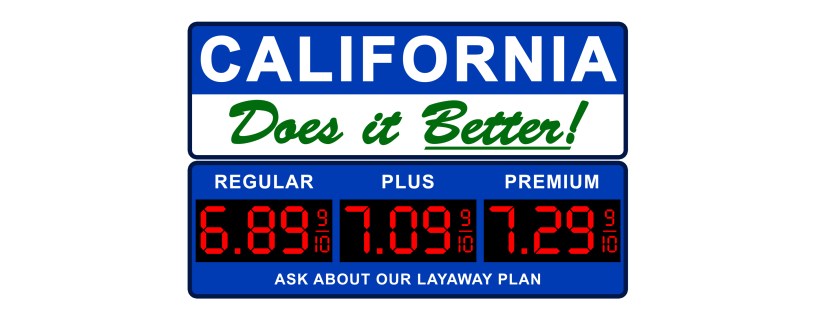
As gas prices rise across the United States, many headlines point overseas, citing instability associated with the Iran War as the primary driver. But in California, that explanation only scratches the surface.
The state’s persistently higher fuel costs are not simply the result of global events. They are largely the product of state-level policies that have created a structural price premium, one that keeps Californians paying more at the pump regardless of international conditions.
Data from AAA consistently shows California with the highest gasoline prices in the nation. This gap is not new, nor is it temporary. Even when global oil prices stabilize, California remains an outlier.
One major reason is the cumulative impact of taxes and regulatory programs. According to the California Fuels & Convenience Alliance, these costs can exceed $1.30 per gallon. That figure includes state and federal excise taxes, sales taxes, underground storage fees, and compliance costs tied to climate initiatives such as the Low Carbon Fuel Standard and the state’s cap-and-trade program.
California also requires a specialized gasoline blend designed to reduce emissions. While environmentally motivated, this requirement limits supply flexibility and leaves the state more vulnerable to refinery disruptions, factors documented by the California Energy Commission.
The result is not a single surcharge, but a layered cost structure applied to every gallon of fuel. Together, these policies create what many analysts refer to as the “California premium,” one that persists regardless of broader market trends.
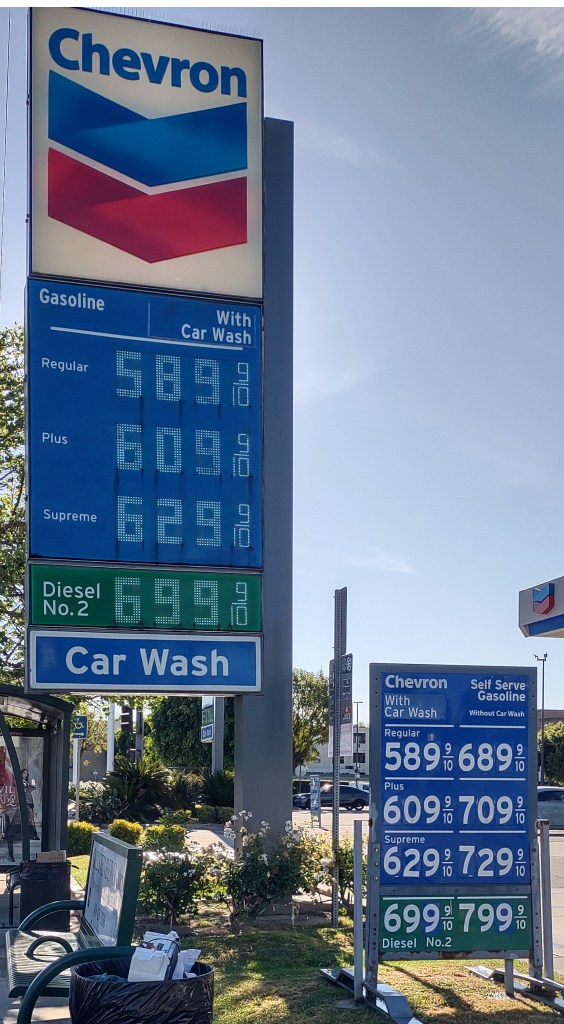
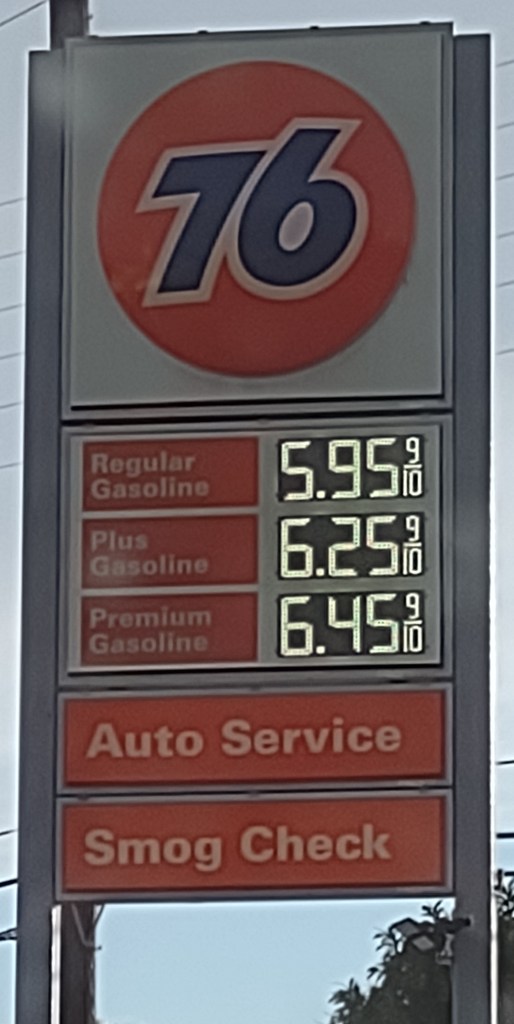
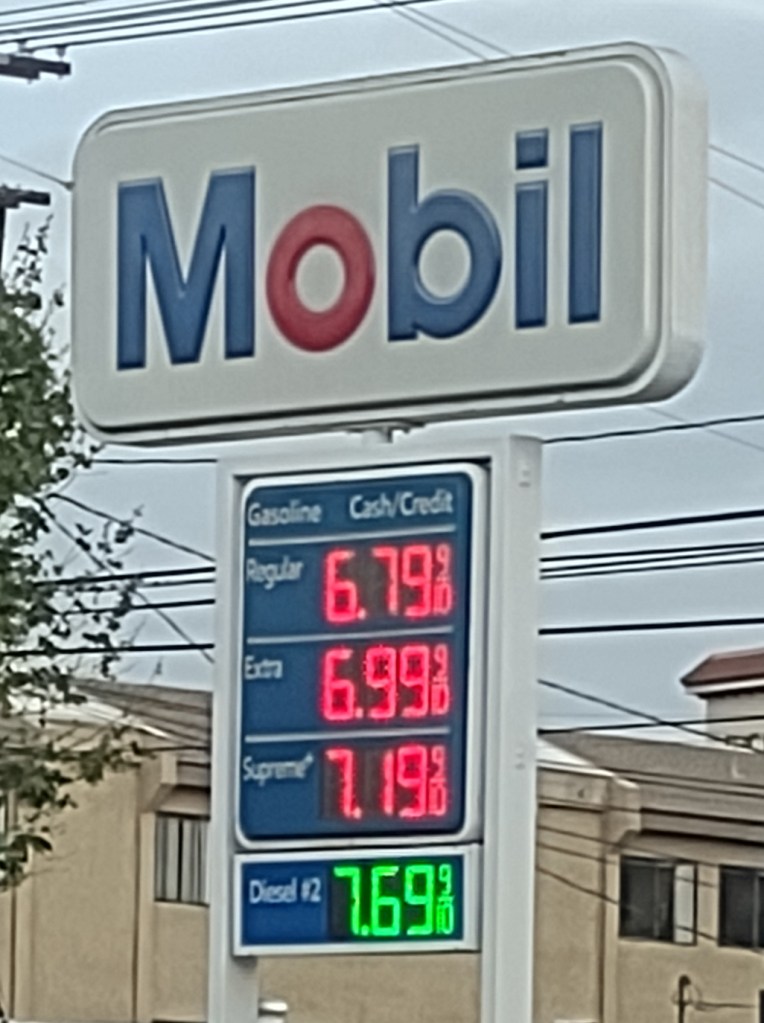
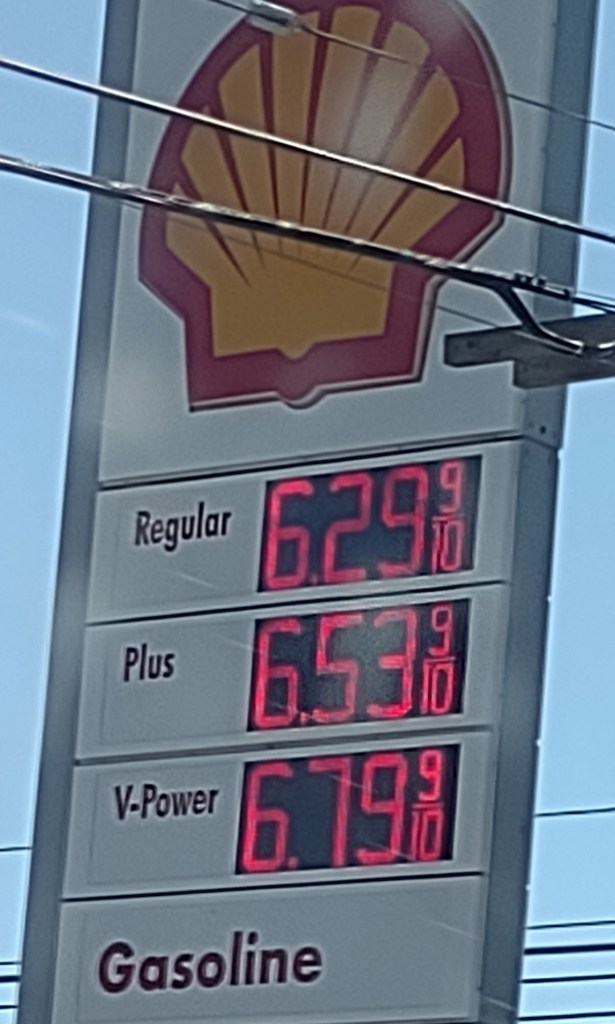
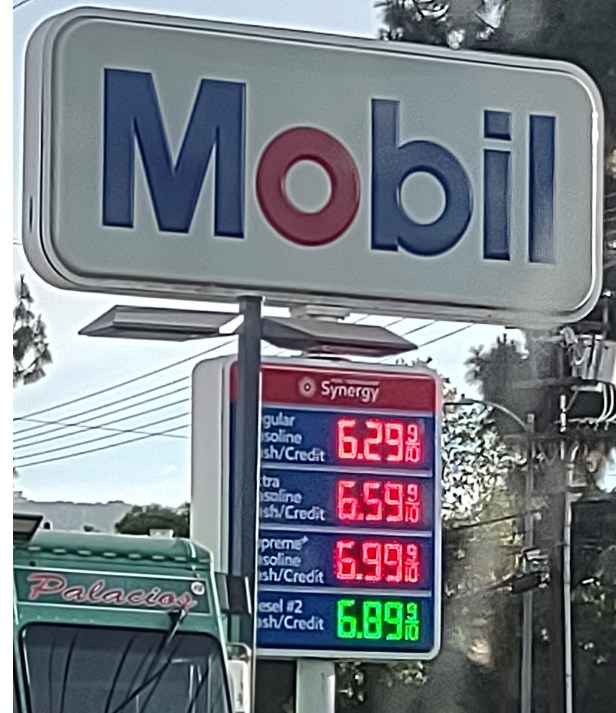
A recent drive through the San Fernando Valley illustrates how this plays out in practice. In several locations, premium gasoline has surpassed $7 per gallon, with mid-grade not far behind. While prices fluctuate nationwide, the baseline in California remains consistently higher.
For consumers, the burden does not end at the pump.
At the same time, the state’s long-term policy direction increasingly emphasizes a transition to electric vehicles. In theory, electrification offers a path away from volatile fuel markets. In practice, however, that transition remains out of reach for many Californians.
Electric vehicles continue to carry higher upfront costs, even as incentives are introduced or expanded. Recent proposals, including hundreds of millions of dollars in rebates, may ease the burden for some buyers, but affordability remains a significant barrier, particularly for middle- and working-class households.
Additional costs further complicate the equation. California’s relatively high sales taxes increase the total purchase price of vehicles, especially in major metropolitan areas such as Los Angeles County. At the same time, data reported by CalMatters indicates that electric vehicle adoption is concentrated among higher-income households, underscoring the uneven accessibility of the transition.
Infrastructure presents another challenge. For renters or residents without access to home charging, electric vehicle ownership is often impractical. Public charging networks continue to expand, but availability and convenience remain inconsistent.
Even for those able to make the switch, electricity costs in California are among the highest in the nation. Data compiled by Choose Energy shows rates in many areas exceeding 30 cents per kilowatt-hour, nearly double the national average. As a result, the long-term savings often associated with electric vehicles are not guaranteed.
The state’s electrical grid also faces ongoing strain. During periods of extreme heat, officials routinely issue Flex Alerts urging residents, including electric vehicle owners, to reduce electricity usage during peak hours. Experts at the University of California, Los Angeles have warned that growing demand will continue to test grid capacity, particularly as electrification expands.
Yet the state’s long-term energy plans, outlined by the California Governor’s Office, continue to depend on widespread electrification. Upgrading the grid to meet that demand is expected to cost tens of billions of dollars and take years, if not decades.
Taken together, these factors raise a broader question about policy design. When costs accumulate across multiple systems, fuel, electricity, and vehicle ownership, the burden does not fall evenly. Households without the means to upgrade vehicles, install home charging, or relocate are disproportionately affected, forcing many to navigate a system with fewer affordable choices. When this occurs, the transition from gasoline to electric vehicles may shift where those costs are incurred, but it does not eliminate them. Policymakers aiming for ambitious environmental goals must reckon with these distributional effects if the transition is to be both effective and equitable.
None of this is to suggest that global events are irrelevant. International instability can and does influence fuel prices. But it does not explain why California consistently ranks at or near the top of the national price spectrum. The distinction matters. If the primary drivers of higher costs are structural and policy-based, then they are also, in principle, subject to reconsideration.
As policymakers continue to pursue long-term energy and environmental goals, the gap between ambition and present-day affordability remains a central challenge. For many Californians, the issue is no longer simply choosing between gasoline and electricity. It is that both are becoming increasingly expensive. Without careful policy adjustments, these burdens are likely to grow, leaving everyday Californians with fewer affordable options and more economic strain.
 Inside Out Odyssey