Everyone talks about the importance of friendships. Those of us fortunate enough to have a few longtime friends understand their value to our emotional, social and physical well-being. Trusted friends, and friendship in return, simply makes one feel better, no matter what else is happening in life.
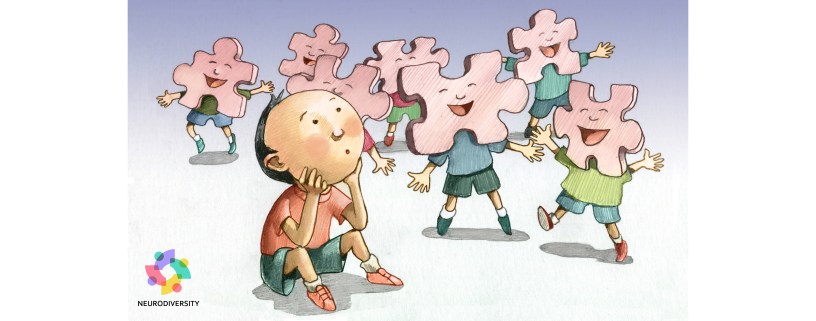
While all children and adults benefit from friendships, neurodivergent children and their parents may cherish their friends even more. Why? Because such friendships are tougher to come by and sustain. For parents, it is not uncommon for parental relationships forged through their children’s friendships to diminish as their children make new friends throughout elementary, middle, and high school. However, this normal progression in life is exacerbated for neurodivergent children and their parents.
As neurotypical children are developing into themselves, many will undoubtedly cave to peer pressure and not only pull away from their one-time neurodivergent friend, but also ridicule them. Too often, a neurodivergent child who exhibits immature behavior has not yet learned to recognize or regulate it. They simply wonder why their former playmate and friend no longer wants to associate with them; first when others are around, then later not at all.
Growing Pains
Parents of neurodivergent children spend a great deal of time trying to help their children become self-aware of which behaviors result in them getting repeatedly rebuffed. In order to do this, parents often perform their own detailed behavioral analysis, breaking down the situation and the neurodivergent child’s behavior into its most fundamental elements, so that the parent can help their child see where they may have erred. Given the complexity of most behaviors, this process may have to be repeated many times in order to help the child more fully understand the circumstances that led to him/her being rebuffed.
Although parents of the neurodivergent child may understand that the neurotypical child is only trying to navigate their own fragile, developing self through the often-harsh years of adolescence, their neurodivergent former friend often simply doesn’t understand what they did wrong to lose their friendship. In an attempt to soothe their child’s feelings, the parent of a neurodivergent child may try to rationalize away the former friends’ behavior with explanations such as, “extracurricular activities are taking up more of their time,” “they have more homework than you,” etc.
However, as the child matures (albeit frequently at a slower pace), they come to realize that their former friend no longer considers them a friend. While the breakup of friendships is difficult for any child, they can be particularly devastating for neurodivergent children, who typically have fewer friends to begin with. A great deal of listening, empathy and understanding are crucial to helping the neurodivergent child process the loss and gradually move on.
Instructive Conversations
So what can one do to assist the parents of neurodivergent children as they struggle to help their young one navigate through childhood, adolescence and young adulthood? Parents of neurotypical children can teach empathy and compassion. They can have discussions with their children on how they might feel if they were bullied, ridiculed or shunned for being different. In addition, they can discuss how their child may include the neurodivergent child in some school and after school activities, as that child, like themselves, simply wants to feel like they belong. Similarly, assistance may be sought from family, friends, and other acquaintances known to both parent and neurodivergent child (neighbors, teachers, coaches and therapists) who are willing to support that child’s social development. These individuals may be able to prospectively, and calmly, engage in conversations with the neurodivergent child that may help them to incorporate appropriate social communication skills into their future interactions with others.
Unintentional Behaviors
Neurotypical adults and children willing to extend an invitation to a neurodivergent school-aged child may be ill-prepared for the challenges that often accompany the invitation. Special diets, sensory sensitivities, impulsivity, hyperactivity, unwillingness to compromise, and inappropriate candor are a few such issues.
Despite parents of neurodivergent children sending prepared foods, and discussing these potential behaviors in advance, chances are high that the well-meaning invite will become both trying and stressful for members of the host family. While it may be of little solace at the time, it is important to remember that the neurodivergent child is not intentionally aiming to be difficult. Rather, they are likely trying their very best to control their out-of-synch developmental behaviors and fit in.
For those who have the social and emotional sustenance to give the neurodivergent child a great deal of latitude, they and their parents will almost certainly thank you. You will have saved a child all too habituated to rejection from feeling outcast, and bring a welcome break to their parents.
Genetics
A lesser-discussed, interrelated factor in the neurodivergent community is that it is not uncommon for neurodivergent children to have one, or both parents who are also neurodivergent. The benefit of this dynamic is that the neurodivergent parent has very likely already experienced struggles of their own throughout childhood and adulthood, and therefore have a greater appreciation of, and empathy for, the struggles of their own neurodivergent children. Their intimate understanding of the challenges, disappointments, spoken and unspoken judgements and exclusion that their children will undoubtedly experience, can be addressed from a unique perspective of love and compassion.
One disadvantage of this dynamic is that neurodivergent parents tend to lack the social support network of neurotypical parents. If they are fortunate, they will have a small, close circle of friends they have come to rely on, and cherish. But for those who find themselves without a familial or social network to help in the care of their neurodivergent child, they may want to consider employing outside assistance, and/or joining neurodivergent support groups.
Compassion
At the end of the day, too frequently, relationships between neurotypical and neurodivergent families often do not flourish. The quirks of neurodivergent behavior, together with unconscious (and conscious) biases in society, and the stigma associated with some neurodivergent conditions, will test those who are well-intentioned but unprepared. In such circumstances, even the most outspoken supporters of diversity, equity and inclusion (DEI) may find themselves, or their children, responding negatively when confronted with the inconvenient realities of regular interaction with neurodivergent children and adults.
Actions speak louder than words, but sadly, many times actions do not follow words. Ultimately, it cannot be stressed enough, that the efforts undertaken by neurodivergent individuals (children and adults) to assimilate into mainstream society take a great deal of work and energy on their part. If unchecked, this expenditure of effort can contribute to, or exacerbate, other issues that often coexist with the various neurodivergent conditions (for example, anxiety and depression). The goal for all of these individuals is to minimize that occurrence.
The Blessing of Friendship
Any parents who are fortunate enough to have trusted friends to help traverse life’s stressful times are thankful. But parents, especially neurodivergent ones, who have even one adult friend willing to help shepherd both themselves and their neurodivergent child through their innumerable high-octane trials and tribulations, are blessed.
A few years ago, during a particularly trying time, I sent a dear friend a link to the song, “Thank You for Being a Friend,” by Andrew Gold. It is best known as the theme for the 1980-1990’s Golden Girls TV show. Without hesitation or prompting, they replied with a link to “Count on Me,” by Bruno Mars. I truly wish that all of you, especially parents of neurodivergent children, are as fortunate as I am. Thank you, my friend!
Definition: The American Psychiatric Association defines neurodiversity as “a concept that regards individuals with differences in brain function and behavioral traits as part of normal variation in the human population. This definition of neurodiversity includes autism, dyslexia (difficulties with reading, writing and spelling), ADHD, dyspraxia (problems with manual dexterity and coordination), dyscalculia (difficulties with math and calculation), dysphonia (disorders of the voice), Tourette syndrome, synesthesia and other behavioral and neurobiological differences.” https://www.psychiatry.org/news-room/apa-blogs/exploring-a-strengths-based-approach-to-neurodiver
Postscript: This post is based upon personal experiences, relationships with parents (themselves both neurodivergent and typical) of neurodivergent children and young adults, and associations with professionals who work with neurodivergent children and their families.
 Inside Out Odyssey